
Deep Dive: Timber Treatment
When purchasing a wooden garden building, structure or accessory, it is important to also choose a timber treatment method that best suits your needs and outdoor space. There are three main types of treatment available: pressure, dip and untreated, which all have unique advantages as well as disadvantages.
Pressure Treatment
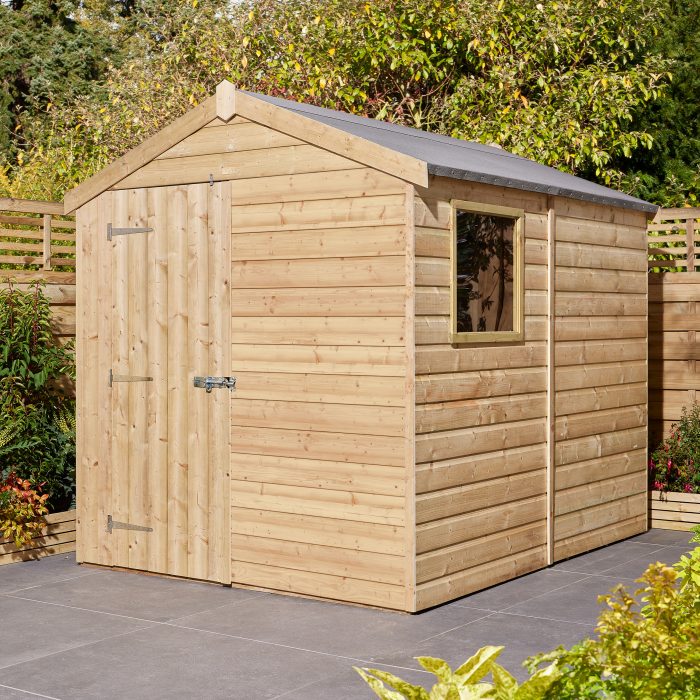
When timber is pressure treated, a liquid preservative is forced into the material in order to protect against deterioration due to rot or insect attack. To begin with, the wood is placed into a container which is filled with a liquid preservative and sealed. The pressure inside is then increased which forced the liquid into the timber. The excess is then removed and recycled, completing the treatment process. There are many advantages to pressure treated garden items, some are:
- Long Lasting – Products constructed from pressure treated wood is much longer lasting compared to dipped or untreated alternatives – typically lasting 15 to 25 years
- Versatile – Thanks to fungus protection and pest repellent properties, pressure treated timber has a variety of garden uses; from sheds and storage, arbours and arches, and even border roll and decking, since it can withstand longer direct ground contact
- Cost Saving & Low Maintenance – Even though pressure treated products can be slightly more expensive upfront, because they are traditionally much longer lasting and require less maintenance, you will spend less in the long run on repairs or re-treating the structure.
But what are the disadvantages?
- Cost – Although the generally higher purchase price balances out over time, a more expensive upfront cost can prove a sticking point if you are working to a budget and need a solution quickly – which could make dipped or untreated alternatives more appealing
- Less Aesthetic – Pressure treated timber can sometimes arrive with a blue/green speckle which can sometimes be mistaken for mould. In most cases, this is only salts from the treatment settling on the surface. Whilst this is easy enough to remove, it can sometimes be difficult to cover completely which may detract from your general garden design.
Overall, pressure treated timber is a smart, reliable and long lasting choice for many outdoor projects and structures, such as sheds, arbours, pergolas and decking.
Dip Treatment
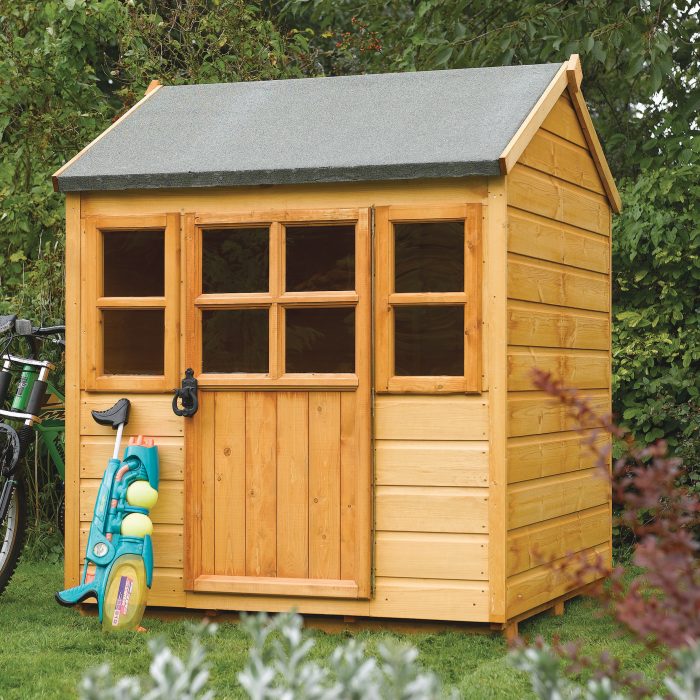
This is when timber is dipped into large vats of treatment (usually Copper Sulphate) which then provides surface protection to the material. The treatment contains elements to protect from mould, aid UV resistance, as well as wax to expel water. Like with pressure treatment, there are several benefits:
- Attractive Appearance – Dip treatment can provide a more aesthetic look on arrival, because the timber usually has a colour following the treatment. For example, dip treated Rowlinson products are finished in a honey brown. Its use in trellis and fencing also enhances the aesthetic credentials of your outdoors
- Easy to Handle – Because the treatment only permeates the surface and not the entirety of the timber, dip treated items are often a lot lighter than their pressure treated counterparts, making it an ideal choice if your outdoor area is difficult to get to, up steps, or if you have to move the item on your own
- Lower Upfront Cost – Dip treatment is a cheaper process which brings the upfront cost to the consumer down, making garden structures using this method a great choice if you are on a budget.
However, there are some disadvantages that you should be mindful of.
- Shorter Lifespan – Because the treatment solution does not go all the way through the material, dip treated products do not last as long, being more susceptible to rot and insect attack
- High Maintenance – In general, to maintain the look and protective qualities of the treatment, the building must be retreated annually with a good quality recognised wood preserver. If you don’t do this, the timber will weather faster, loose its overall look and be more at risk to rot and decay. This extra care can also bring the long-term cost up.
Dip treatment is a great option for storage and garden structures, providing an attractive, traditional look.
Untreated
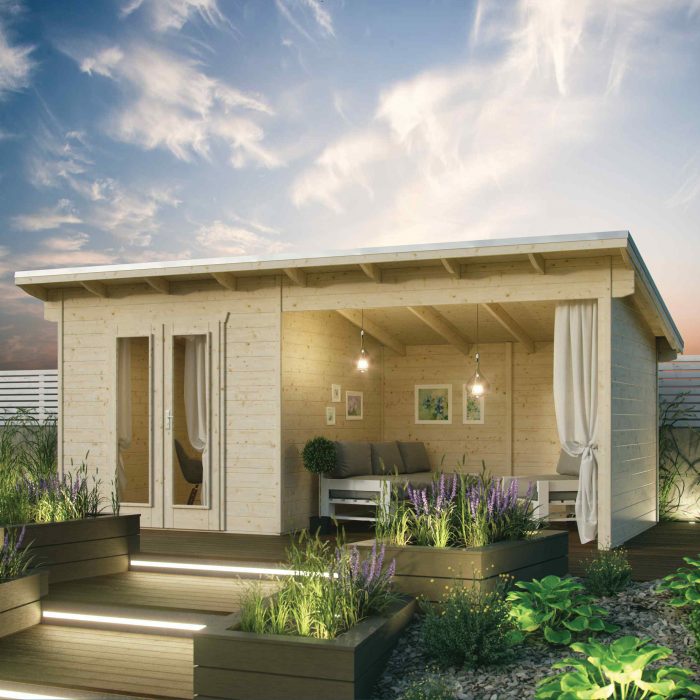
Untreated timber is the last type of wood utilised in Rowlinson products. The main benefit of untreated buildings and structures is that it is easy to customise, providing you with a blank canvas to treat with a preservative in a colour that perfectly matches your garden design.
On the other hand, the main disadvantage is that the product will need treating immediately, which will take additional time and care to ensure the building is thoroughly protected, as well as the annual need to retreat the building to keep it well protected.
We hope that this quick guide helps you understand and appreciate the nuances of the different timber treatments available. So if you’re on the lookout for a pressure treated shed, dip treated trellis or an untreated garden cabin, look no further than Rowlinson Garden Products.

Comments are closed here.