
Why Buy A…Garden Composter
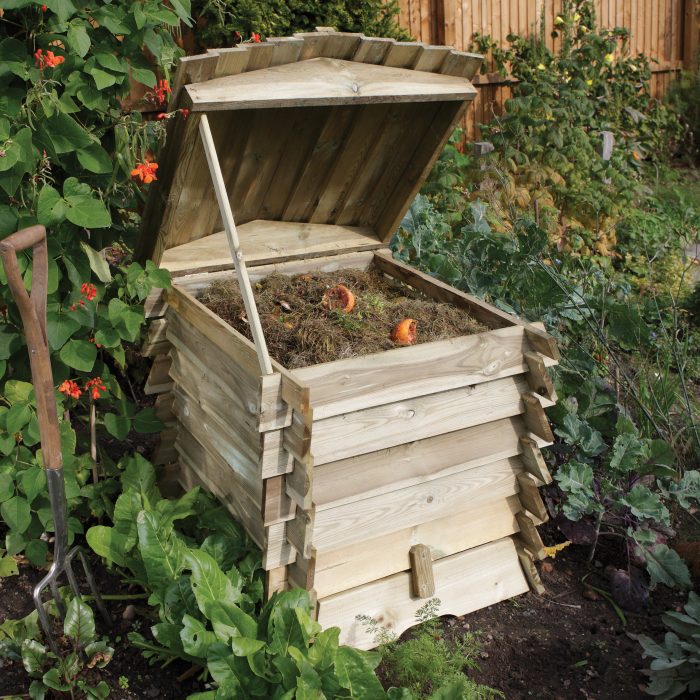
Good compost is any keen gardener’s essential, providing valuable nutrients to soil as well as many benefits to the environment – making a good garden composter a vital outdoor item. These are just a snapshot of the benefits, but there are many more. Read on for a handful of other plus-points of home-made compost.
Enrich Your Soil & See Plants Thrive
Own-made compost produces essential nutrients such as phosphorus, potassium and nitrogen, which when added to soil, can help support plant growth. So along with making plants grow better, it reduces the need for chemical fertilisers, which also saves you money. Another benefit for soil is that compost improves its structure, creating better aeration and allowing for improved drainage. Compost also acts like a sponge, meaning that your soil retains more water, keeping your plants well-watered and healthy.
Be Sustainable & Reduce Waste
Since almost all organic matter can be added to the composter, it is a fantastic way to reduce your household waste. From lawn clippings, fallen leaves and flowers, to food waste such as vegetable peelings, a composter provides a home for waste as well as benefits your outdoors. What’s more, since this waste does not go to landfill, your carbon footprint is reduced, helping the environment.
Save Money
The cost savings of own-made compost can really stack up. Firstly, the nutrients in home-made compost are usually much higher quality than store bought, meaning that you save money by not buying these, and gaining something vital from something that would otherwise have been wasted. It also eliminates the need for expensive fertilisers, and finally, since the soil retains more water thanks to compost, your water bill is reduced too.
Whether you’re a green-fingered guru or a gardening novice, the benefits of own-made compost are almost endless. That’s why a composter is a garden essential, and with Rowlinson, you can get composting quickly with our simple Budget Composter, or combine style with function with the Beehive variant.
To learn more about compost, and for tips on how to get started, the RHS has a great guide which can be found here: https://www.rhs.org.uk/soil-composts-mulches/composting
Happy Composting!

Comments are closed here.