
World Mental Health Day 2025 & Gardening
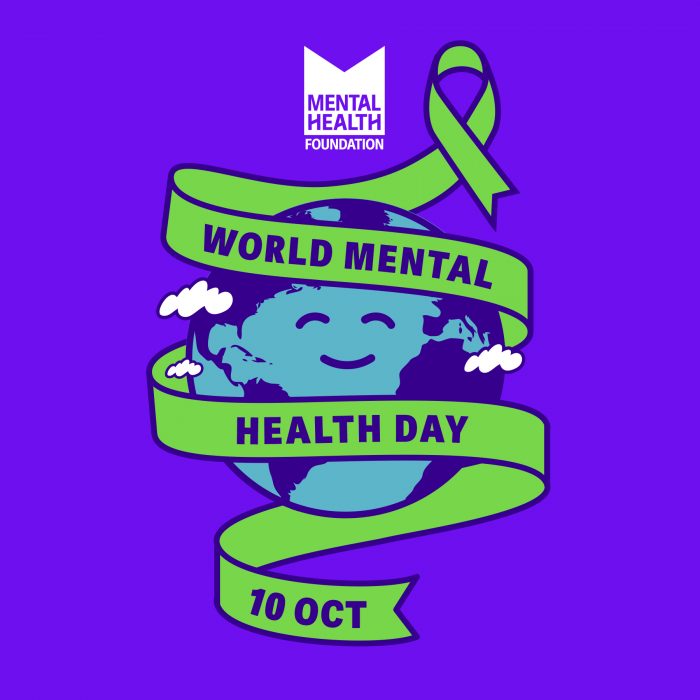
World Mental Health Day takes place annually on 10 October, and aims to increase education, awareness and advocacy against the stigma surrounding mental health.
Mental health awareness increases yearly, yet the social stigma and general awkwardness around recognising issues and asking for help remains. Statistics show the scale of those who are experiencing mental health issues:
- According to the NHS, as of August 2025, 2 million people were in contact with mental health services, 1.32 million of whom were adults
- Also according to the NHS, 395,585 new referrals were made and 2.05 million care contacts were attended, again this is as of August 2025
- 479,725 people were in contact with children and young people mental health services, as of the end of August
- The WHO estimates that globally, 1 billion people are living with a mental health disorder such as depression and anxiety.
Mental health problems do not discriminate; they can affect anyone, no matter their age, country, income or social background. And whilst these numbers are huge, each year more and more people learn and understand the impact that bad mental health can have, and take the steps to improve, whether this is talking to friends or family, getting help from their GP, or taking up an activity that helps – and that’s where gardening comes in.
Why does gardening improve mental health?
- Therapeutic: performing repetitive tasks such as watering, weeding, pruning and planting can help you relax, gather your thoughts and reduce worries thanks to a clearer mind
- Rewarding: whether watching a plant grow from a seed into a flourishing flower, or removing weeds and making your outdoors thrive, gardening gives a strong sense of achievement and boosts self-esteem – all whilst making your outdoor space better
- Lone or Social Activity: working in a garden alone is a great way to decompress and gather your thoughts. It is also great as a social activity; simply chatting to a neighbour whilst working outdoors or joining a gardening group provides a link to other people and the opportunity to talk about your worries and concerns, which is a great way to reduce stress and anxiety
- Easy to Start: gardening is an easy activity to begin. You don’t need much space; even a pot and some seeds is a start. It is also easy to scale, whether in adding more plants to your own garden or even venturing into an allotment. And if you get stuck, there are plenty of resources online to help you get back on track, or you can reach out to friends, family or neighbours for tips
- Spending Time Outdoors: if you’re tending plants in your garden or patio, wondering the majestic gardens of a stately home, or simply in your local park, spending time in fresh air surrounded by nature is proven to aid mental health.
We cannot claim that gardening can solve all mental health issues, but it is something that can help. If you’re struggling there are many options available to you, and you do not need to suffer in silence. So this World Mental Health Day, why not check in on your family and friends, think about your own mental health, and help raise awareness on the importance of managing and prioritising mental health.
Useful Links:
Mental Health.org and Help & Advice: https://www.mentalhealth.org.uk/ & https://www.mentalhealth.org.uk/explore-mental-health/get-help
NHS Statistics: https://digital.nhs.uk/data-and-information/publications/statistical/mental-health-services-monthly-statistics/performance-august-2025
World Health Organisation: https://www.who.int/news/item/02-09-2025-over-a-billion-people-living-with-mental-health-conditions-services-require-urgent-scale-up

Comments are closed here.